
Your website is often the first point of contact between your brand and potential customers, but while your homepage introduces who you are, it isn’t always built to drive action. That’s where landing pages come in — focused, goal-oriented pages designed to turn interest into measurable results.
Explore our service: Website creation
Whether you’re a blogger, a small business, or a large corporation, landing pages are a vital part of any online marketing strategy. If you’re wondering what makes them so effective and how to use them to your advantage, read on — we’ll explain everything you need to know.
What Exactly Is a Landing Page?
A landing page is a standalone web page built for one clear purpose — encouraging visitors to take a specific action. That might be signing up for a newsletter, downloading an eBook, registering for a webinar, or making a purchase.
Unlike your homepage, which serves many functions, a landing page focuses on a single message. This simplicity helps reduce distractions and guides users toward your conversion goal. When done right, it can significantly boost the results of your marketing campaigns.
In other words, a landing page is distinct from other web pages on your site and is designed with a single objective in mind. This is also known as a Call to Action or CTA
What isn’t a landing page?
To really understand what a landing page is, it helps to first understand what it’s not. Your website’s homepage — and most of its other pages — aren’t considered landing pages because they serve a broader purpose. A homepage is meant to introduce your brand, showcase your offerings, and guide visitors to different parts of your site. It’s informative and open-ended, not built around one clear call-to-action.
A landing page, in contrast, has a single, focused goal. It comes from the tradition of direct-response marketing, where every element is designed to encourage one specific action — like signing up, downloading, or making a purchase. Some landing pages, such as squeeze pages, take this even further by focusing solely on collecting email addresses to grow your contact list efficiently.
Choosing the Right Type of Landing Page
There’s no one-size-fits-all landing page. The best type depends on your goals and audience. For example, a lead generation page is designed to capture contact information through a simple form, while a sales page aims to convince visitors to buy on the spot. You might also create event registration pages to promote webinars or thank-you pages to engage users after they complete an action.
Each type plays a unique role in your marketing funnel, helping move your audience from awareness to conversion.
So which landing page type should you choose? It all depends on your campaign goal and the marketing tactics you plan to use.
Selecting the right type ensures that every element of the page works together to guide visitors toward your desired action, increasing the chances of conversion.
Landing pages perform best when they focus on a single objective. To help you decide, let’s explore some examples of different landing page types and see how each can be optimized for maximum results.
1. Lead Generation Pages
Lead generation pages, often called “lead gen pages,” are designed to capture visitor information such as names, email addresses, or phone numbers. Typically, they offer something valuable in return — like an eBook, webinar, or free trial — to encourage visitors to share their details. These pages are ideal for building a contact list, nurturing prospects, and eventually turning them into paying customers.
2. Click-Through Pages
Click-through pages act as a bridge between marketing campaigns and sales pages. They provide just enough information to warm up potential buyers and persuade them to click through to a product or pricing page. Instead of asking for personal details upfront, these pages focus on highlighting benefits and preparing visitors to take the next step in the buying process.
3. Sales Pages
Sales pages are designed to convince visitors to make an immediate purchase. They usually include persuasive copy, product descriptions, testimonials, and a clear call-to-action (CTA) that directs users to complete a transaction. These pages focus entirely on the product or service and remove distractions to maximize conversions.
4. Event Registration Pages
Event registration pages are specifically created to encourage sign-ups for webinars, workshops, conferences, or live events. They clearly explain the event’s value, date, time, and location, and include an easy-to-complete registration form. The goal is to make signing up as simple and compelling as possible.
How to Create an Effective Landing Page
Building a high-converting landing page requires both creativity and strategy. Start with a strong headline that instantly captures attention and clearly communicates your offer. Follow it with short, benefit-driven copy that speaks directly to your audience’s needs.str
Visuals matter too — include images or videos that enhance your message rather than distract from it. And most importantly, guide visitors with a clear call-to-action. Whether it’s a button that says “Sign Up,” “Get Started,” or “Buy Now,” make sure it’s easy to find and impossible to miss.
Trust also plays a big role in conversions. Adding testimonials, client logos, or security badges can reassure visitors that they’re making the right choice.
Build Your Landing Pages Yourself
Creating a landing page doesn’t have to be complicated — you don’t need a developer to get started. With Cap Connect’s hosting plans, you can use tools like Sitejet Builder or WordPress to design and launch high-converting pages quickly. The drag-and-drop editor makes it easy to customize layouts, add images or videos, and create clear calls-to-action — all without touching a single line of code.
You can even start from a pre-designed template, tweak it to match your brand, and have a professional-looking landing page live in minutes.
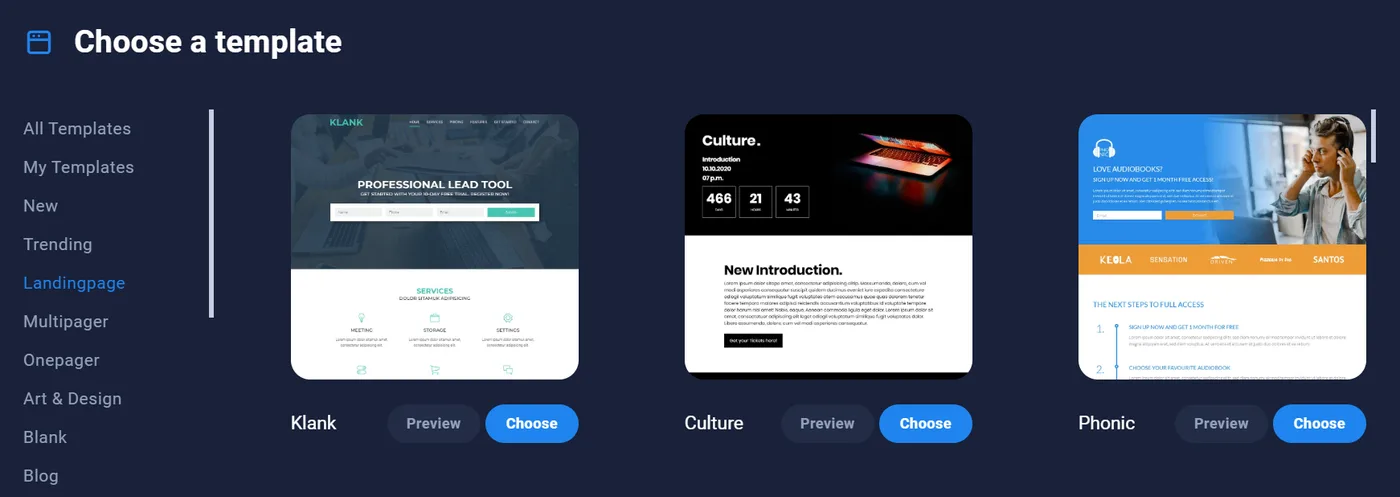
This approach lets you focus on compelling content and optimizing conversions while Cap Connect handles hosting, speed, and security behind the scenes.
Drive Traffic and Optimize Your Landing Page
Creating a great landing page is only half the battle — you also need to get the right visitors to see it. There are several ways to drive targeted traffic: use pay-per-click (PPC) advertising on Google Ads or social media, promote the page through your email marketing campaigns, share the link on social media channels, or collaborate with influencers and affiliates.
A great landing page must be discoverable, usable, and fast. That means optimizing for SEO.
Use relevant keywords, meta titles, and descriptions so your page can rank organically, helping attract visitors who are actively searching for what you offer. Combining these strategies ensures your landing page reaches the right audience, increases engagement, and maximizes conversions.
Equally important is user experience. Keep the layout clean and intuitive, ensuring visitors can easily navigate and complete the desired action. And with most users browsing on smartphones, mobile responsiveness is essential — your landing page should look and perform perfectly on any device.
Separate Landing Pages, Stronger Results
Creating multiple landing pages for different audiences or campaigns can dramatically improve your results. Each version can speak directly to the needs, language, and motivations of a specific audience segment. For example, you might design one page for small business owners and another for enterprise clients, tailoring your message and offer to fit each group.
This approach increases relevance, builds trust, and ultimately leads to higher conversion rates.
Final Thoughts
Landing pages are more than just a marketing tool — they’re the bridge between curiosity and commitment.
Using landing page templates and page builders makes it easier to create professional, high-converting landing pages quickly. Whether your goal is to capture leads, promote a product, or encourage sign-ups, a thoughtfully designed landing page keeps visitors focused on one clear action, removes distractions, and boosts the chances of achieving your desired results.